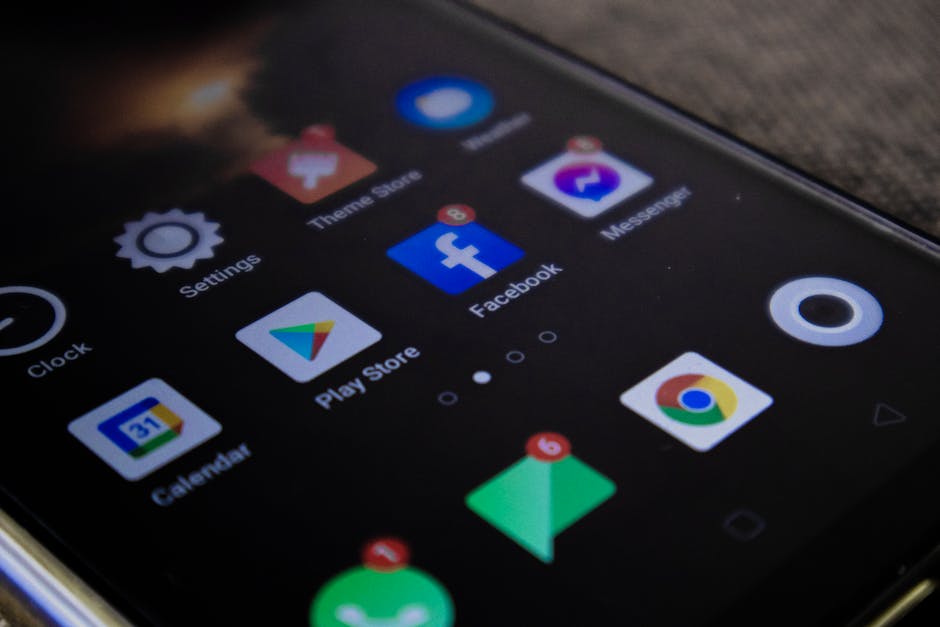
Built for Google Play Compliance: Mastering 14-Day Testing with App Testers Hub
Are you an Android developer tired of navigating the complex landscape of Google Play Store requirements? Do you struggle to meet the mandatory testing standards that ensure your app meets the highest quality and security benchmarks? You're not alone. As of November 2023, all new personal developer accounts must complete a minimum of 14 consecutive days of closed testing with at least 12 active testers. But fear not! We've got you covered.
The Pain Point: Google Play Store's New Testing Requirements
For Android developers, the Google Play Store is the ultimate platform to showcase their creations and reach millions of users worldwide. However, getting there requires more than just creating an amazing app – it demands meticulous attention to detail, rigorous testing, and a deep understanding of the ever-evolving Google Play policies.
The latest update has introduced new requirements for personal developer accounts created after November 13, 2023: complete 14 consecutive days of closed testing with at least 12 active testers. This may seem daunting, especially for solo developers or small teams with limited resources. But what does this mean in practical terms? And how can you ensure your app meets these strict standards?
Breaking Down the 14-Day Testing Requirement
The 14-day period is not just a mere formality – it's a critical step towards ensuring that your app:
1. Meets Quality and Security Standards: Closed testing allows you to gather feedback from real users, identify bugs, and make necessary improvements before publishing.
2. Builds Trust with Users: By showcasing your dedication to quality, you build credibility with potential users who are more likely to download and review your app positively.
The Role of 12 Active Testers in Closed Testing
While the 14-day testing period is a significant hurdle, recruiting and managing 12 active testers can be equally daunting. That's where App Testers Hub comes in – an innovative platform designed specifically to meet Google Play Store's new requirements.
Here's how:
1. Automatic Tracking: Easily track your progress towards meeting the 14-day testing requirement with our built-in tracker.
2. Minimum 12 Tester Slots: Don't worry about recruiting testers – we provide a minimum of 12 slots, ensuring you meet the required number of active participants.
3. Daily Verification: Stay on top of your testing schedule with daily verification checks to guarantee compliance.
The Benefits of Using App Testers Hub
By leveraging our platform, you'll not only ensure compliance but also:
1. Save Time and Resources: Focus on what matters most – developing your app – while we handle the complexities of meeting Google Play Store's requirements.
2. Gain Valuable Feedback: Our platform enables real-time feedback from testers, helping you refine your app and improve user experience.
3. Enhance Your App's Credibility: By showcasing your dedication to quality and security, you'll increase user trust and drive more downloads.
Step-by-Step Guidance: Using App Testers Hub for Compliance
Getting started with App Testers Hub is straightforward:
1. Sign up on our platform: Create an account and familiarize yourself with our features.
2. Configure your testing settings: Set the duration, number of testers, and other parameters to suit your needs.
3. Recruit and onboard testers: We'll provide you with a minimum of 12 active slots – simply invite users through our dashboard.
4. Track progress and verify daily: Stay on top of your testing schedule with automatic tracking and daily verification checks.
Key Takeaways
To ensure compliance with Google Play Store's new testing requirements, remember:
1. Meet the 14-day testing requirement: Complete at least 14 consecutive days of closed testing.
2. Recruit a minimum of 12 active testers: Use our platform to secure a guaranteed number of testers.
3. Track progress and verify daily: Stay on top of your testing schedule with automatic tracking and daily verification checks.
Conclusion
As an Android developer, navigating the complexities of Google Play Store's requirements can be overwhelming. But with App Testers Hub, you can breathe easy knowing that our platform is designed to meet these new standards. By following our step-by-step guidance and leveraging our features, you'll ensure compliance, gain valuable feedback, and enhance your app's credibility.
Visit App Testers Hub at https://app-testers.com to start your free testing today
Don't let Google Play Store's requirements hold you back – join the thousands of developers who have already discovered the benefits of using App Testers Hub. Take the first step towards publishing your amazing Android app on the Google Play Store and start growing your user base today!
By Malik Abualzait
Comments
Post a Comment