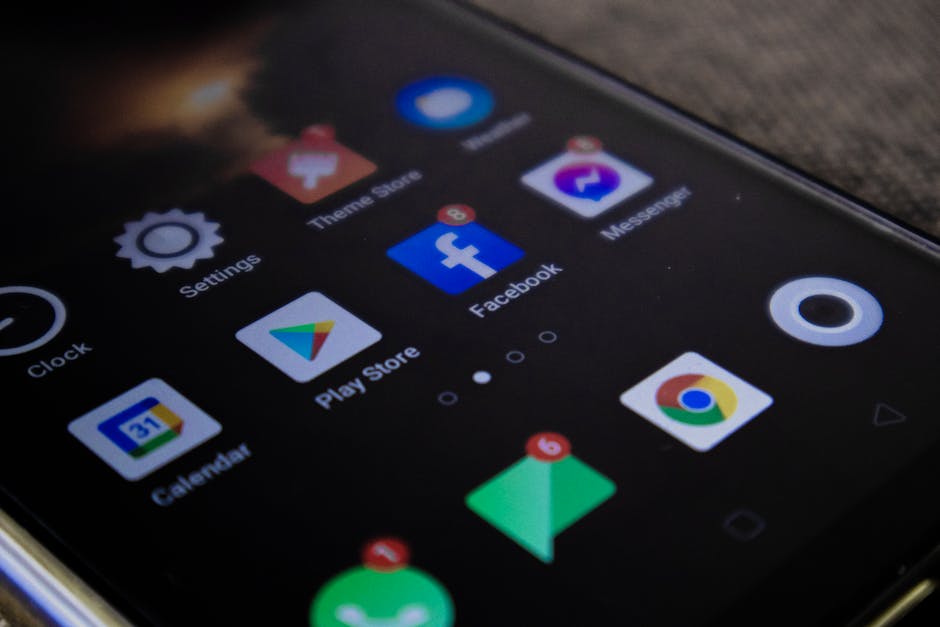
The Ultimate Guide to Google Play Compliance: Meeting the 14-Day Testing Requirement
As an Android developer, you're no stranger to the challenges of getting your app onto the Google Play Store. But with the latest policy change, navigating the testing requirements can be a daunting task. Since November 13, 2023, all new personal developer accounts must complete 14 consecutive days of closed testing with at least 12 active testers to meet Google Play compliance.
In this article, we'll dive into the details of what this requirement means for you and your app. We'll explore why meeting these testing requirements is crucial, how it affects your development process, and most importantly, how to overcome these challenges using App Testers Hub.
Why Meeting Google Play Requirements Matters
Before we dive into the specifics of the 14-day testing requirement, let's understand why this compliance is essential for Android app developers. The main goal of closed testing on Google Play is to ensure that your app is thoroughly tested and refined before it reaches a wider audience. This not only improves user experience but also helps prevent app crashes, bugs, and other issues that can harm your app's reputation.
By completing the 14-day testing requirement, you'll be able to:
- Identify and fix critical issues early on
- Gather valuable feedback from real users
- Enhance your app's overall quality and performance
- Increase user engagement and retention
Closed testing is a process where you share your app with a small group of test participants, typically 12 or more. This phase helps you collect data on how your app performs in real-world scenarios, identify areas for improvement, and refine your development process.
There are two types of closed testing:
- Alpha testing: Conducted internally by the development team to test critical features and ensure stability.
- Beta testing: External users participate to provide feedback on usability, user experience, and overall app performance.
The 14-day testing requirement ensures that your app has been thoroughly tested and refined over a significant period. This prolonged testing phase allows you to:
- Gather comprehensive data on app performance
- Identify and address critical issues promptly
- Enhance user experience through continuous iteration
Let's say you're developing a mobile game that requires a 14-day closed testing phase. During the first week, your testers report frequent crashes and lag issues. You use this feedback to optimize your code, fix bugs, and improve app performance. After two weeks, you conduct another round of testing with new features and updated content.
By completing the 14-day testing requirement, you can confidently submit your app to the Google Play Store knowing it has undergone rigorous testing and refinement.
Using App Testers Hub to Meet Google Play Compliance
App Testers Hub is specifically designed to help Android developers meet the 14-day testing requirement. Our platform offers:
- Automatic tracking of closed testing phases
- Minimum 12 tester slots for a seamless testing experience
- Daily verification of active testers
- Comprehensive compliance documentation
Here's a step-by-step guide on how to use our platform:
1. Create an account: Sign up for free on App Testers Hub.
2. Set up your test project: Fill in the necessary information, including your app details and target audience.
3. Invite testers: Add 12 or more active testers to your project using our pre-built tools.
4. Manage testing: Track progress and verify daily participation with our automated system.
5. Comply with Google Play requirements: Download a certificate of completion once you've met the 14-day testing requirement.
Key Takeaways
To recap, here are the essential points to remember:
- The 14-day closed testing phase is required for new personal developer accounts on Google Play.
- Closed testing ensures your app's quality and performance before release.
- App Testers Hub offers a streamlined solution for meeting this requirement.
Conclusion
In conclusion, meeting Google Play's 14-day testing requirement is essential for Android developers. By using App Testers Hub, you'll be able to manage your closed testing phase efficiently, gather valuable feedback from real users, and enhance your app's overall quality and performance.
Visit App Testers Hub at https://app-testers.com to start your free testing today and ensure a successful Google Play Store submission. Don't let the complexities of meeting this requirement hold you back – get started with our platform now!
By Malik Abualzait
Comments
Post a Comment