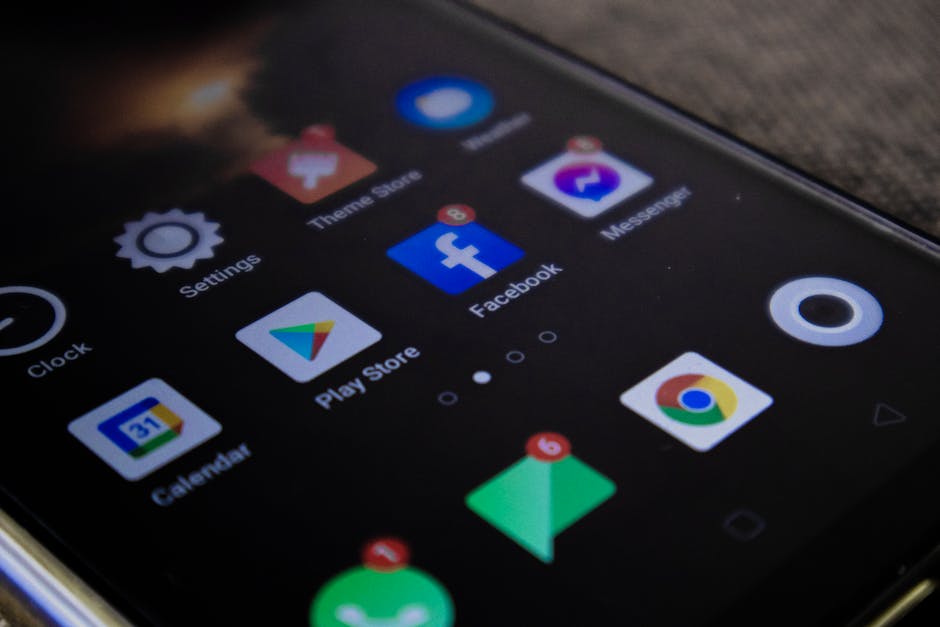
Built for Google Play Compliance: Meeting the 14-Day Testing Requirement
As an Android developer, you're likely no stranger to the process of submitting your app to the Google Play Store for publication. However, with the recent policy change introduced by Google in November 2023, the game has changed. Now, all new personal developer accounts must complete a rigorous testing requirement before their apps can be published.
What is this new testing requirement?
The new rule requires developers to conduct closed testing on their app for at least 14 consecutive days with a minimum of 12 active testers. This might sound daunting, but fear not – we've got you covered. In this article, we'll dive into the details of this requirement, its benefits, and how App Testers Hub can help you meet it seamlessly.
Why does Google require 14-day testing?
At first glance, it may seem like a hassle to conduct extensive testing before publishing your app. But think about it – you want your users to have a smooth experience with your app, don't you? That's exactly what Google is trying to ensure. By mandating this testing period, the company aims to guarantee that apps meet certain quality standards.
What are the benefits of closed testing?
Closed testing allows developers like you to:
- Identify and fix bugs before releasing the app
- Gather feedback from a dedicated group of users
- Test your app in a controlled environment
How does App Testers Hub make meeting this requirement easy?
App Testers Hub is specifically designed to meet Google Play Store's testing requirements. With our platform, you can:
- Automatically track your 14-day testing period
- Ensure a minimum of 12 active testers participate in the closed testing
- Receive daily verification and compliance documentation
Real-world use cases for Google Play Store submission
To illustrate just how beneficial our platform is, let's consider an example:
Imagine you're developing a new game that requires extensive beta testing before its release. You can use App Testers Hub to recruit and manage your testers, track their progress, and receive feedback in real-time.
Step-by-step guidance for meeting the 14-day requirement
1. Sign up for App Testers Hub: Create an account on our platform and explore our features.
2. Create a new project: Set up your testing campaign with the required details (app name, description, etc.).
3. Recruit testers: Invite at least 12 active users to join your closed testing phase.
4. Configure automatic tracking: Allow App Testers Hub to track your 14-day testing period and send you reminders.
5. Daily verification and compliance documentation: Stay on top of the process with our automated system.
Key takeaways:
- Google Play Store now requires a minimum of 14 consecutive days of closed testing with at least 12 active testers for new personal developer accounts created after November 13, 2023.
- App Testers Hub is specifically designed to meet this requirement, offering automatic tracking, compliance documentation, and more.
By meeting Google Play Store's mandatory testing requirements using App Testers Hub, you'll not only ensure a seamless publishing process but also improve the overall quality of your app. With our platform, you can focus on developing better apps while we handle the administrative tasks.
Visit App Testers Hub at https://app-testers.com to start your free testing today and take advantage of our streamlined solution for meeting Google Play compliance requirements.
By Malik Abualzait
Comments
Post a Comment